From The Island Soil

Jamaican Foods & Fruits

The Caribbean's most blessed soil grows some of the world's most flavourful fruits, vegetables and ground provisions. Meet the staples that fill every Jamaican market, kitchen and Sunday dinner table.

22+Authentic Foods
3Categories
100%Yaad Grown
Jamaican Mango
Yaad Grown
Fresh From YaadPick Up & EatRoadside BashmentLikkle MoreBig Up Mama EarthBless Up
Tropical Fruits

Sweet Like Sugar — Yaad Fruits

From the iconic ackee tree to the roadside guinep vendor — these are the fruits that fill Jamaican childhoods, juice stands and Sunday tables.

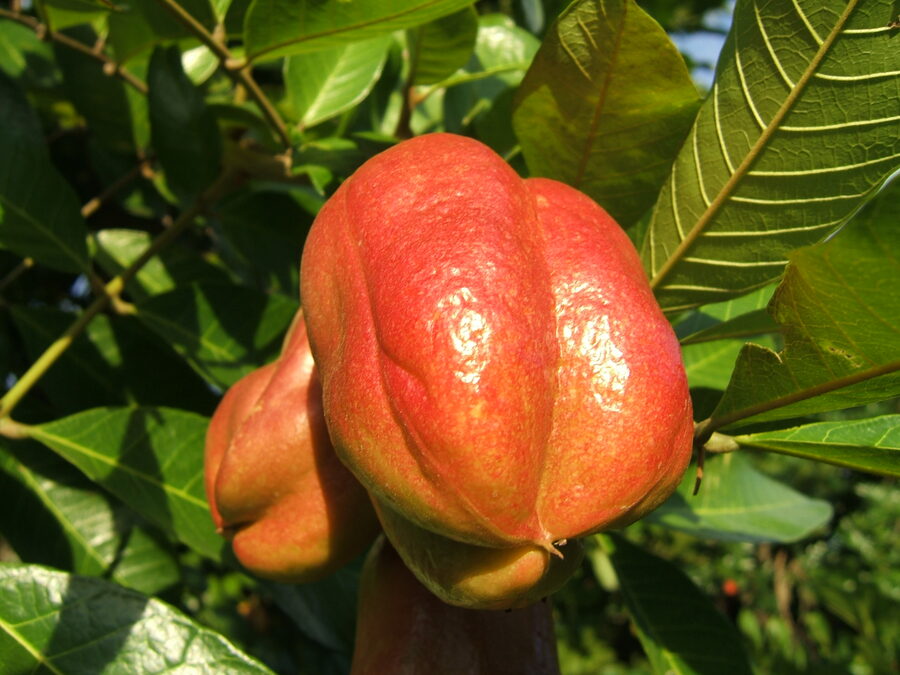
Ackee
National Fruit

Ackee

Jamaica's national fruit and the star of ackee & saltfish. Buttery yellow flesh that tastes like scrambled eggs when cooked. Only the ripe pods are safe to eat.

📜 Story & How We Eat It
History

Brought to Jamaica from West Africa in the 1770s aboard slave ships. The botanical name Blighia sapida honours Captain William Bligh, who carried specimens to Kew Gardens in 1793. Despite its African roots, ackee is so deeply tied to Jamaican identity that it became the national fruit.

How Jamaicans Eat It

The pods must open naturally on the tree before it's safe to eat — unripe ackee is poisonous. The yellow arils are boiled, drained, then sautéed with saltfish, onion, scallion, peppers and thyme to make the national dish. Also added to "rundown" (coconut stew) and curry.
Mar–Jun & Sep–Nov
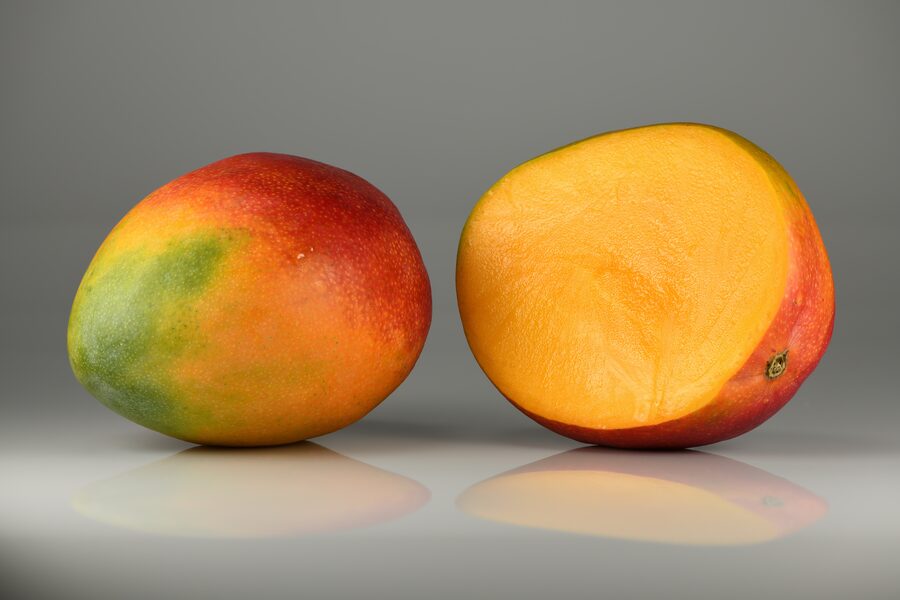
Mango
Summer Favourite

Mango

Over 60 varieties grow in Jamaica — Julie, East Indian, Bombay, Hayden, Number 11. Eaten ripe, made into chutney, or pickled green with salt and pepper.

📜 Story & How We Eat It
History

Originally from South Asia, mangoes were brought to Jamaica in the late 1700s by sea captains and spread rapidly. They thrived in the tropical climate and now grow wild across the island. "Mango season" is one of the most anticipated times of year in Jamaica.

How Jamaicans Eat It

Eaten ripe straight from the tree (often by children climbing for them), turned into juice and smoothies, or pickled green with salt, vinegar and scotch bonnet. Julie mango is the queen — soft, fibreless and fragrant — eaten with bare hands and plenty of napkins.

May–Sep
Jamaican Apple
Tropical Crisp

Jamaican Apple

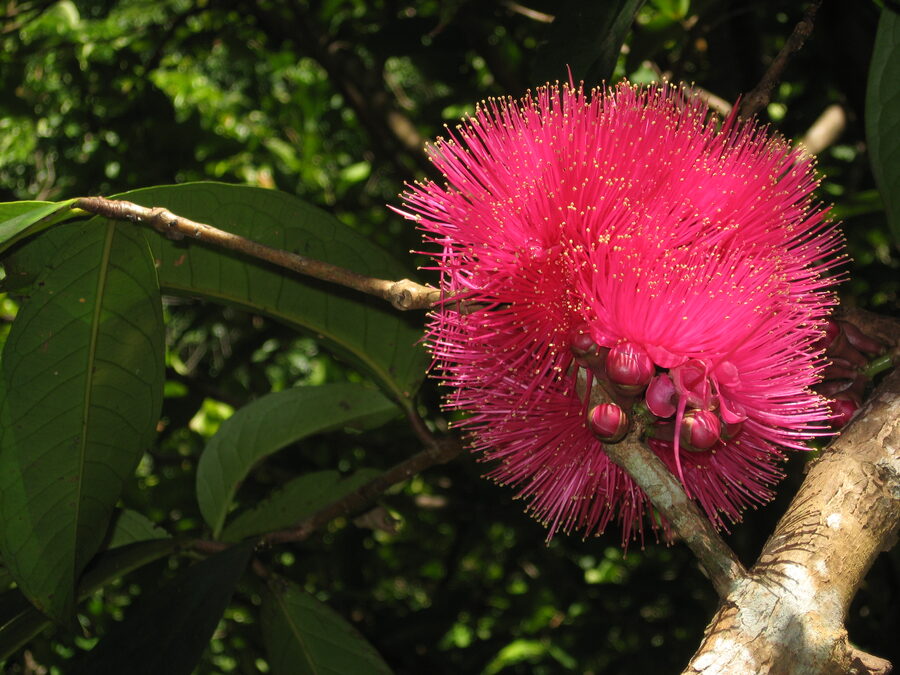
Also called Otaheite apple or Malay apple. Bright pink-red skin, white crispy flesh with a delicate rose-water taste. Eaten fresh, straight from the tree.

📜 Story & How We Eat It
History

Brought to Jamaica from Tahiti in 1793 by Captain William Bligh on HMS Providence — the same legendary voyage that introduced breadfruit. The name "Otaheite" comes from the old colonial name for Tahiti. Native to Southeast Asia, it found a perfect home in Jamaica.

How Jamaicans Eat It

Almost always eaten raw and fresh — bitten straight off the tree or sliced for a snack. Crisp like an apple but with a delicate rose-water sweetness. A favourite of Jamaican school children and a common roadside find in the season.

May–Aug
Banana
Year-Round

Banana

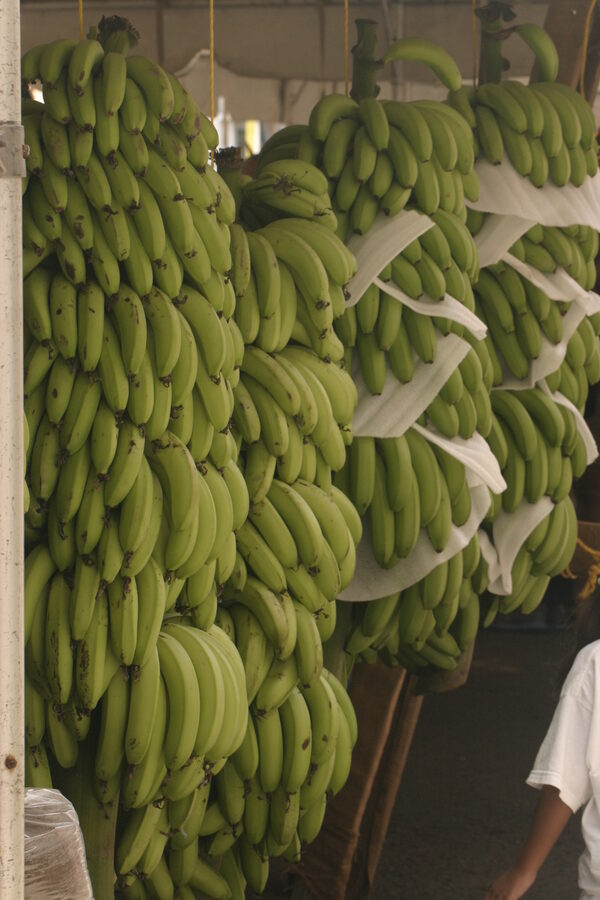
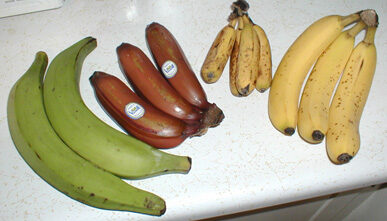
From the sweet apple banana to the green dwarf — Jamaican bananas are smaller, sweeter and packed with flavour. Eaten ripe or green-boiled with breakfast.

📜 Story & How We Eat It
History

Introduced to Jamaica by Spanish settlers in the 1500s. By the late 1800s, Jamaica was the world's largest banana exporter under the United Fruit Company, and "banana boats" became part of the island's cultural identity — immortalised in Harry Belafonte's Day-O (Banana Boat Song).

How Jamaicans Eat It

Ripe bananas are eaten as snacks or sliced into porridge. Green bananas are boiled and served as part of breakfast or Sunday dinner — soft, starchy and filling, paired with ackee, saltfish or callaloo. The smaller "apple" and "fig" bananas are prized for sweetness.

All year
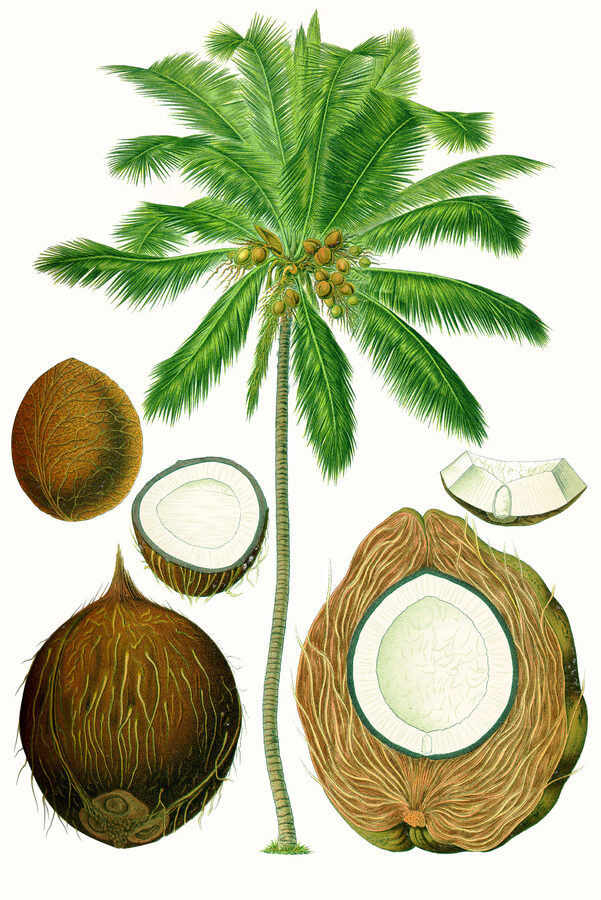
Jelly Coconut
Roadside Refresh

Jelly Coconut

The ultimate Jamaican thirst-quencher — young green coconut chopped open by machete. Drink the sweet jelly water, then scoop out the soft "jelly" inside.

📜 Story & How We Eat It
History

Coconuts arrived in Jamaica with early Spanish colonists and have been a coastal staple for centuries. The coconut palm is so central to Jamaican life that it's woven into folk songs, proverbs and home remedies. The "jelly" version is the immature coconut, harvested young.

How Jamaicans Eat It

Roadside vendors chop the green husk open with a machete. Customers drink the sweet, electrolyte-rich water straight from the shell through a straw, then ask the vendor to "split it" so they can scoop out the soft white jelly with a spoon carved from the husk. Mature coconuts are grated for coconut milk and used in rice and peas, rundown and gizzada pastries.

All year
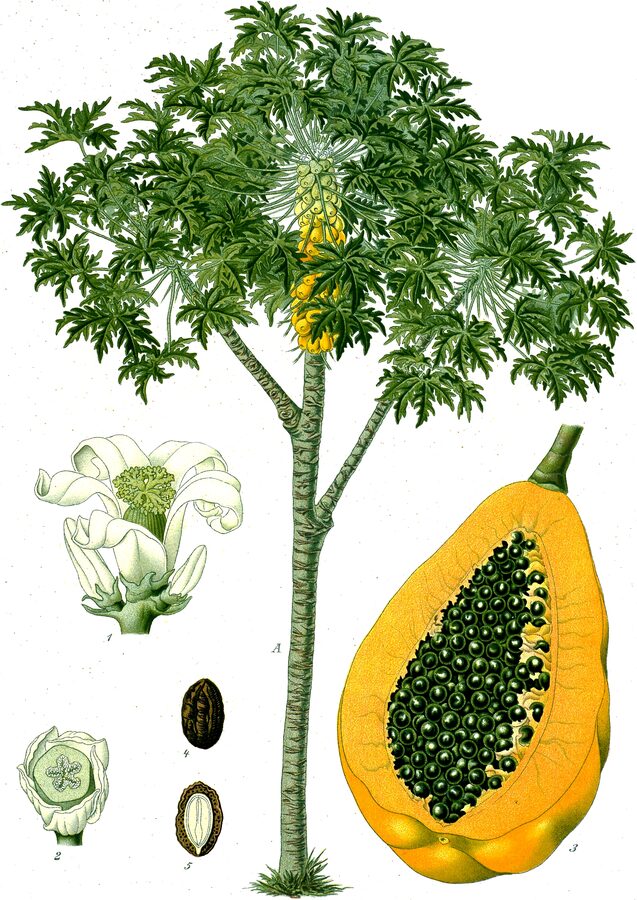
Papaya / Pawpaw
Breakfast Favourite

Papaya (Pawpaw)

Buttery orange flesh with a mild sweet flavour. Eaten ripe with lime, blended into juice, or used green in salads. Said to aid digestion.

📜 Story & How We Eat It
History

Native to Central America, papaya was brought to Jamaica by the Spanish and quickly naturalised. It grows in nearly every Jamaican back yard. In Jamaica it's almost always called "pawpaw" — never papaya.

How Jamaicans Eat It

Sliced ripe with a squeeze of lime juice for breakfast, blended into refreshing pawpaw juice, or used in fruit salads. Green pawpaw is grated into a chutney or used as a meat tenderiser — wrap your beef or oxtail in pawpaw leaves overnight for the most tender meat.

All year
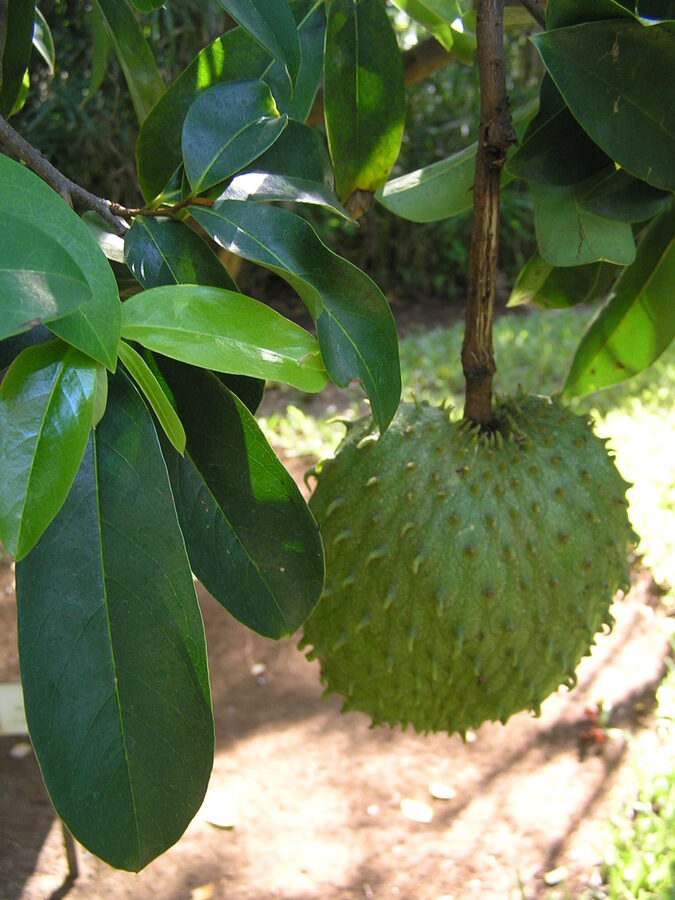
Soursop
Healing Fruit

Soursop

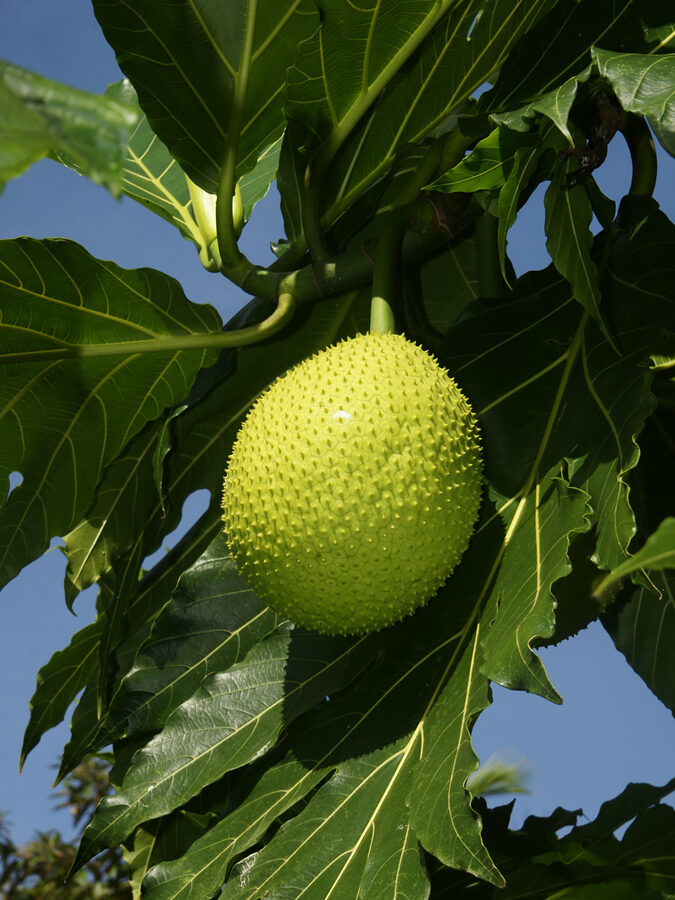
Spiky green skin with creamy white flesh — tastes like strawberry-pineapple-banana. Famous in Jamaica for its health properties and made into juice or ice cream.

📜 Story & How We Eat It
History

Native to the Caribbean, Central America and northern South America — soursop has grown in Jamaica since long before European contact. The Taíno people used both the fruit and the leaves medicinally, and that tradition continues today in Jamaican folk medicine.

How Jamaicans Eat It

The flesh is scooped out and eaten fresh, or blended with milk and sugar to make the famous "soursop juice" sold at every cookshop. The leaves are boiled into "soursop tea" believed to calm nerves, lower blood pressure and aid sleep. Also churned into rich soursop ice cream — a Devon House favourite.

Jun–Sep
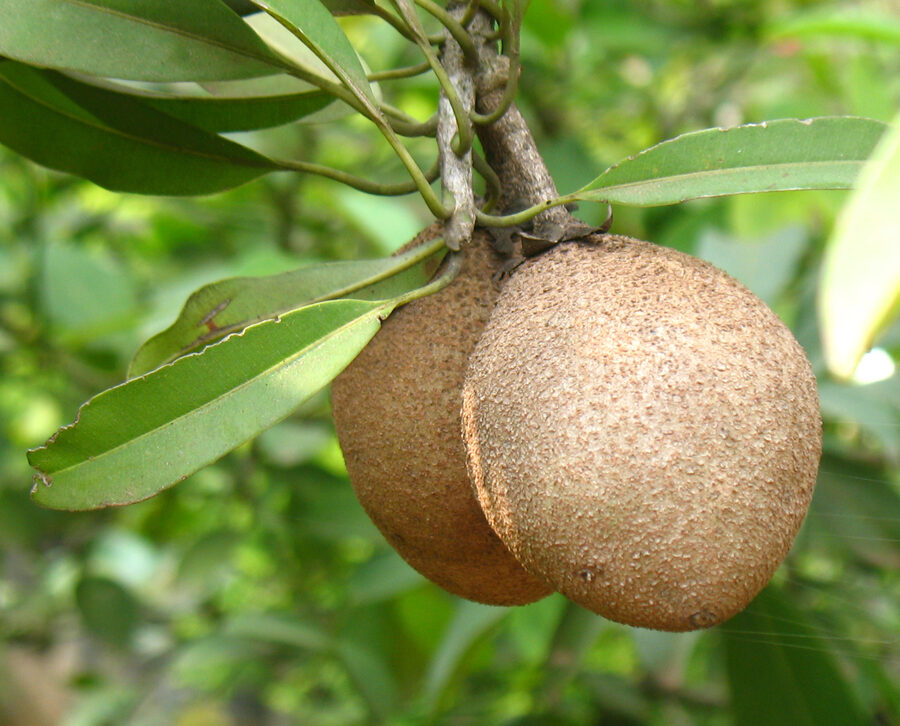
Naseberry
Sweet & Grainy

Naseberry

Also known as sapodilla. Brown-skinned with sweet caramel-pear flavour and grainy flesh. A childhood favourite picked straight from the tree.

📜 Story & How We Eat It
History

Native to Mexico and Central America, naseberry has been cultivated in Jamaica since the colonial era. The same tree produces "chicle" — the natural latex that was once the original ingredient in chewing gum. In Jamaica it's loved as a humble back-yard treat.

How Jamaicans Eat It

You wait until it's slightly soft to the touch, then split it open and scoop the sweet brown flesh out with a spoon. Tastes like brown sugar mixed with pear. Children love them straight off the tree; adults sometimes use them in jams and preserves.

Sep–Feb
Star Apple
Purple Beauty

Star Apple

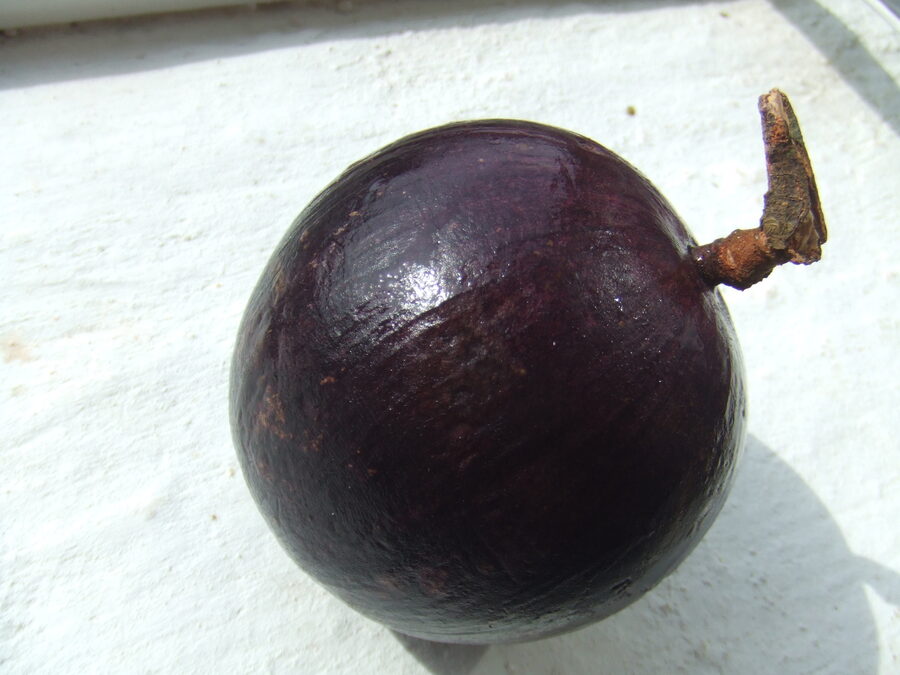
Deep purple skin with milky-sweet flesh and a star-shaped pattern when sliced. Used in the famous Jamaican dessert "Matrimony" mixed with orange.

📜 Story & How We Eat It
History

Native to the Greater Antilles and Central America, star apple has grown wild in Jamaica for centuries. When you cut it across the middle, the seed pattern forms a perfect star — hence the name. Picked when the skin is deep purple and slightly soft.

How Jamaicans Eat It

The flesh is scooped out and eaten fresh — sweet, milky and delicate. But its most famous use is in "Matrimony": a beloved Jamaican dessert where star apple flesh is mixed with diced orange segments and sweetened condensed milk, then chilled. A must at Christmas dinner.

Dec–Apr
Guinep
Street Snack

Guinep

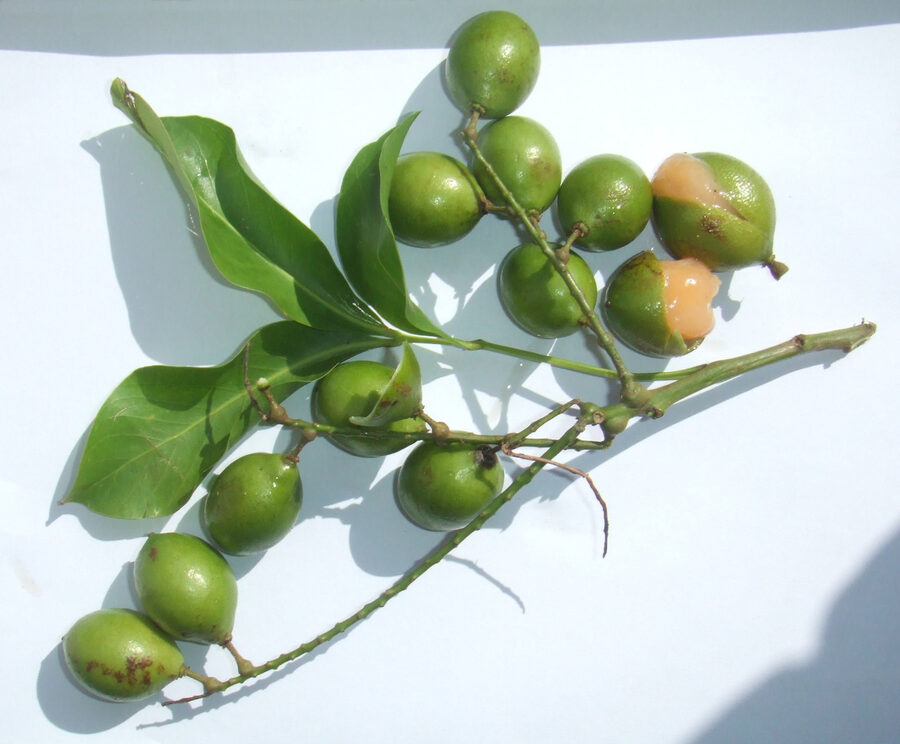
Small green fruit sold in bunches by every roadside vendor. Crack open the skin, suck the sweet-sour orange jelly off the seed. Pure summer.

📜 Story & How We Eat It
History

Native to northern South America and the Caribbean, guinep has been growing wild and cultivated in Jamaica for centuries. Also called "Spanish lime" or "ackee" in some other Caribbean countries (not to be confused with Jamaican ackee). Comes into season alongside mangoes, marking the height of summer.

How Jamaicans Eat It

Bought in big bunches from roadside vendors. You crack the green skin with your teeth, suck the sweet-tart orange jelly off the large seed, and spit the seed out. Children love the challenge — and the stained shirts. Also turned into homemade wine.

Jun–Sep
June Plum
Tangy Treat

June Plum

Crunchy green-yellow plum with a tangy, sweet-tart flavour. Eaten with salt and pepper, made into juice, or pickled. Spiky seed in the centre.

📜 Story & How We Eat It
History

Native to Polynesia and Melanesia, June plum (also called Ambarella or Golden Apple) was brought to Jamaica in the 1700s. The name comes from the month it traditionally ripens — though in Jamaica it can fruit twice a year.

How Jamaicans Eat It

Picked young and crunchy, sliced and eaten with salt, vinegar and scotch bonnet pepper as a tangy snack. Blended into the famous "June plum juice" — sweet, tart and refreshing. Also pickled or used in chutneys. The spiky seed in the centre is discarded.

May–Sep
Tamarind
Sweet & Sour

Tamarind

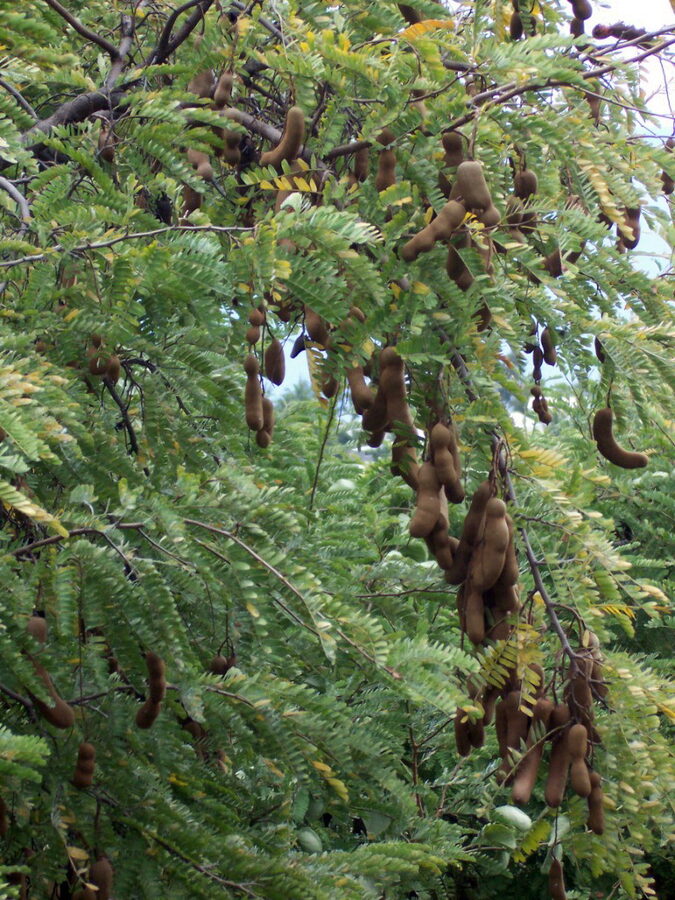
Brown pods with sticky tangy pulp inside. Made into the famous tamarind balls (rolled with sugar) or stirred into a refreshing tamarind drink.

📜 Story & How We Eat It
History

Native to tropical Africa, tamarind was brought to Jamaica during the colonial period via the trans-Atlantic trade. It thrived and is now a familiar back-yard tree across the island. The name comes from Arabic tamr hindi — "Indian date."

How Jamaicans Eat It

The brown sticky pulp is scraped from the pods, mixed with brown sugar, salt and a hint of pepper, then rolled into the classic tamarind balls — sold at every market, school gate and corner shop. Also stirred with sugar and water to make tangy tamarind drink, used in sauces, and added to chutneys.

Dec–Apr
Ground Provisions

Roots, Tubers & Sunday Dinner

The hearty heart of Jamaican cooking — boiled, roasted, mashed and stewed. The foundation of every Sunday plate.

Breadfruit
Versatile Staple

Breadfruit

Large green fruit with a starchy, bread-like flesh. Roasted whole over fire, sliced & fried, boiled or made into chips. The perfect partner for ackee.

📜 Story & How We Eat It
History

Brought to Jamaica from Tahiti by Captain William Bligh on HMS Providence in 1793 — specifically commissioned by plantation owners as a cheap, high-calorie food source for enslaved Africans. Bligh's first attempt failed — that voyage ended in the famous Mutiny on the Bounty. Despite its dark colonial origin, breadfruit became an essential food and is now a beloved Jamaican staple.

How Jamaicans Eat It

The most authentic preparation is "roast breadfruit" — placed whole directly on hot coals or an open fire until the skin is charred and the inside is soft. Sliced and served with ackee & saltfish, it's the iconic Jamaican breakfast pairing. Also fried into golden slices, boiled for dinner, or sliced thin and fried into breadfruit chips.

Mar–Aug
Yellow Yam
Sunday Dinner

Yellow Yam

The Jamaican Sunday dinner staple — boiled and served alongside any meat or stew. Filling, slightly sweet and packed with energy. Usain Bolt's favourite.

📜 Story & How We Eat It
History

West African in origin, yellow yam was brought to Jamaica during the trans-Atlantic slave trade and became a survival food for enslaved Africans on the plantations. Today, the parish of Trelawny grows the world's most prized yellow yam — and it's where Usain Bolt is from. Bolt has often credited yellow yam for his record-breaking speed.

How Jamaicans Eat It

Peeled, cut into chunks and boiled until tender, then served as the carbohydrate base of Sunday dinner — alongside rice and peas, oxtail, brown stew chicken or curry goat. Also added to soups (especially Saturday soup), or roasted in foil over an open fire.

All year
Plantain
Sweet or Savoury

Plantain

The big banana cousin — cooked at every stage. Green plantain is fried into chips. Yellow ripe plantain becomes the sweet, caramelised side everyone loves.

📜 Story & How We Eat It
History

Brought to Jamaica from Africa via the Spanish in the 1500s. Unlike its sweeter cousin the banana, plantain must be cooked. It became a staple food for enslaved Africans because it grew easily and provided dense calories — and that legacy continues on Jamaican plates today.

How Jamaicans Eat It

The Jamaican secret is to wait for the plantain to turn deep yellow with black spots — that's peak sweetness. Sliced on the diagonal, fried in oil until caramelised on both sides, then served as a side with almost any meal. Green plantain is fried into crispy chips. Boiled or roasted plantain also features in breakfast spreads.

All year
Cassava
Heritage Crop

Cassava

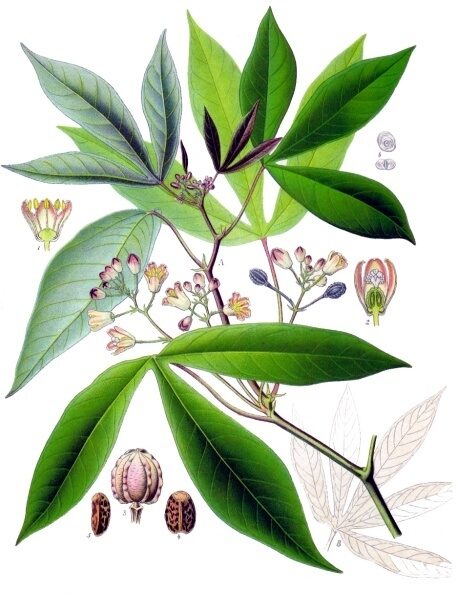
The root that became "bammy" — a flatbread eaten with fried fish. Also boiled, fried or grated for traditional Jamaican baking.

📜 Story & How We Eat It
History

Cassava is Jamaica's oldest cultivated crop — grown by the indigenous Taíno people for thousands of years before Columbus arrived in 1494. The Taíno called it "yuca" and used it as their main staple. The legacy survives in modern Jamaican cooking through bammy, the most traditional cassava bread on the island.

How Jamaicans Eat It

Most famously made into bammy — a flat, round cassava cake that's soaked in coconut milk and pan-fried, traditionally served with fried fish (especially escovitch fish). The grated cassava is also used to make traditional Jamaican puddings and "duckanoo" (sweet steamed dumplings wrapped in banana leaf).

All year
Sweet Potato
Sweet Side

Sweet Potato

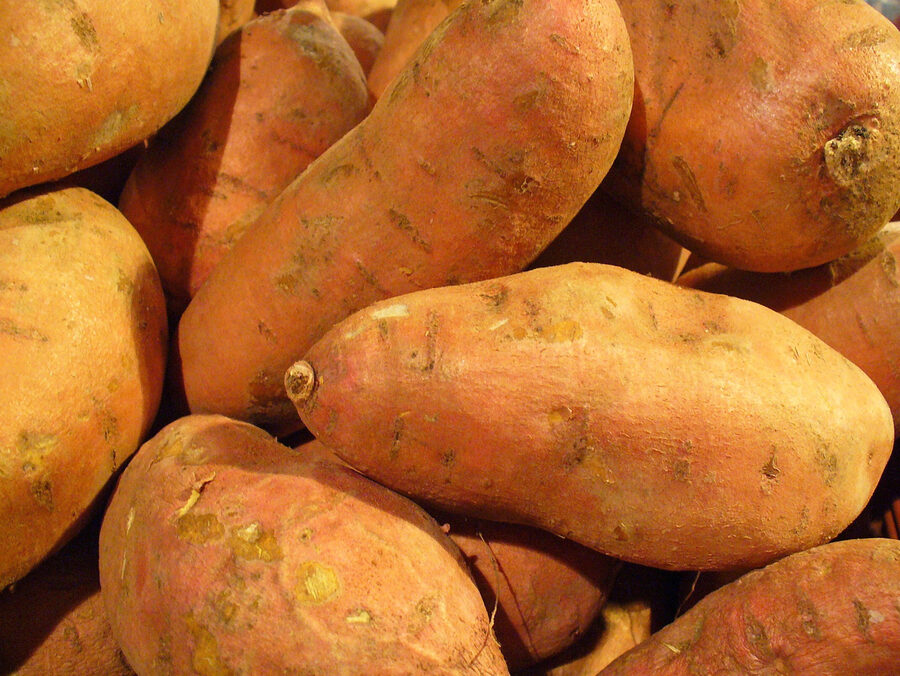
Rich, orange or white-fleshed root vegetable. Boiled with Sunday dinner, mashed, or used to make sweet potato pudding — a true Jamaican classic.

📜 Story & How We Eat It
History

Native to Central and South America, sweet potato was cultivated by the Taíno people of Jamaica long before European contact. They called it "batata" — the root of the modern English word "potato." The Jamaican variety is typically white-fleshed with purple skin, drier and less sweet than the American orange version.

How Jamaicans Eat It

Boiled with Sunday dinner alongside other ground provisions. But the most famous use is in sweet potato pudding — a dense, spiced, baked dessert known by the saying "hell a top, hell a bottom, hallelujah in the middle" because it's traditionally cooked with hot coals on top and beneath a Dutch pot. A Christmas favourite.

All year
Cho-Cho (Chayote)
Mild Vegetable

Cho-Cho

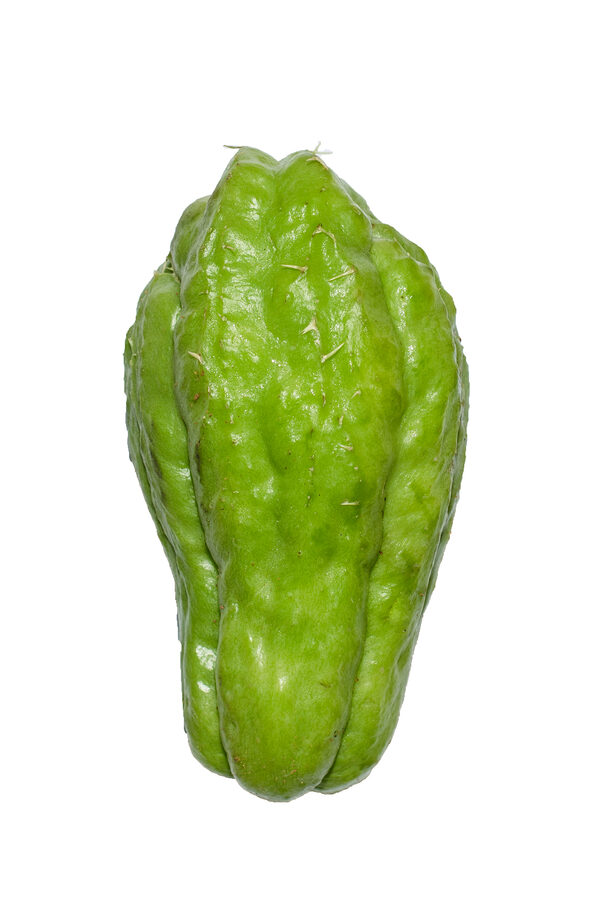
Pale green pear-shaped vegetable with mild crisp flesh. Boiled with rice and peas, added to soups, or stewed with saltfish.

📜 Story & How We Eat It
History

Native to Mesoamerica, cho-cho (called chayote elsewhere) was brought to Jamaica during the colonial era. It thrives on hillside trellises across rural Jamaica and is one of the easiest vegetables to grow in a back yard. Mild, hydrating and full of nutrients.

How Jamaicans Eat It

Peeled and cubed, then added to chicken soup or Saturday soup as a soft vegetable. Boiled and served plain with butter as a Sunday side. Stewed with saltfish, onion and tomato for breakfast. Also added to stir-fries and pickles.

All year
Callaloo
Leafy Green

Callaloo

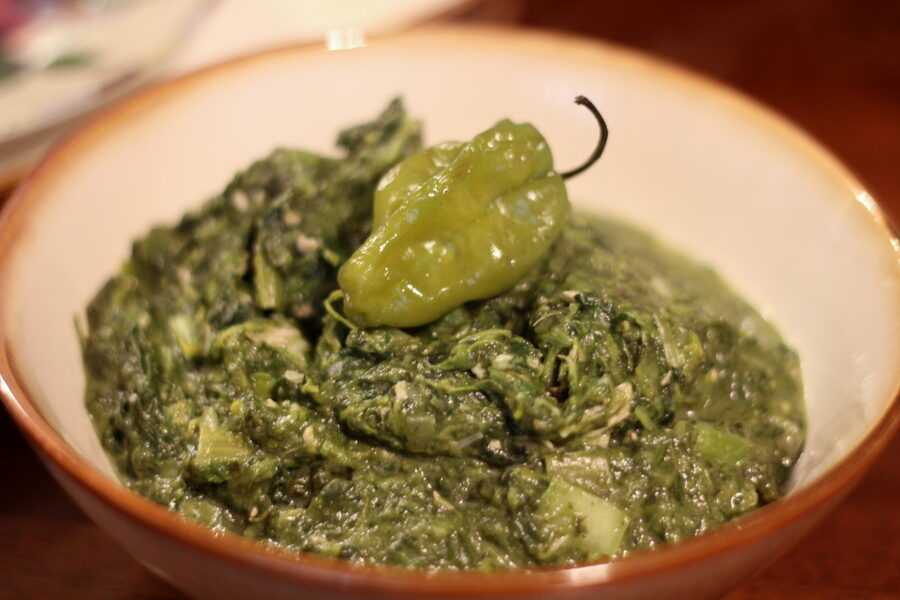
Jamaican-style spinach made from amaranth leaves. Sautéed with onion, scallion and saltfish for breakfast — packed with iron and flavour.

📜 Story & How We Eat It
History

The amaranth plant used for callaloo in Jamaica was brought from West Africa during the slave trade. (In other Caribbean countries the word "callaloo" refers to taro/dasheen leaves — but in Jamaica it always means amaranth.) It became a staple breakfast green and a symbol of resilient yard-grown food.

How Jamaicans Eat It

Chopped and sautéed with onion, garlic, scallion, thyme, scotch bonnet and saltfish — served for breakfast with boiled green banana, fried dumpling, or hard dough bread. Also stuffed into patties (callaloo patty) for vegetarians, or added to pepper-pot soup.

All year
Sugar Cane
Pure Sweetness

Sugar Cane

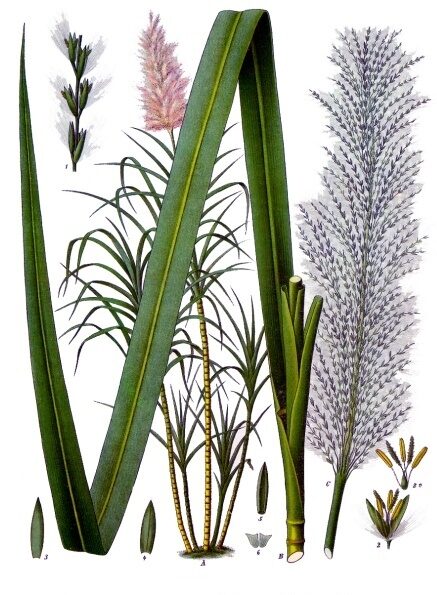
Tall fibrous canes — chew the sweet juicy fibres straight, or press for fresh cane juice. The historic crop that built the Jamaican economy.

📜 Story & How We Eat It
History

Brought to Jamaica by the Spanish in the 1500s and expanded brutally by the English from the 1660s onwards. Sugar cane built the entire Caribbean colonial economy — and was the engine behind the trans-Atlantic slave trade. Today the cane fields still stand as a reminder, but the cane itself remains a sweet treasure of Jamaican childhood.

How Jamaicans Eat It

Cut into "joints" (short sections), peeled with a knife or with teeth, then chewed to extract the sweet juice. The fibres are spit out. Also pressed at roadside vendors for fresh cane juice — sometimes mixed with lime or ginger. The base for Jamaican rum, brown sugar and molasses.

Dec–May
Island Spices

The Heat & Soul of Jamaican Cooking

Two flavours that define the entire island — without these, no dish is truly Jamaican.

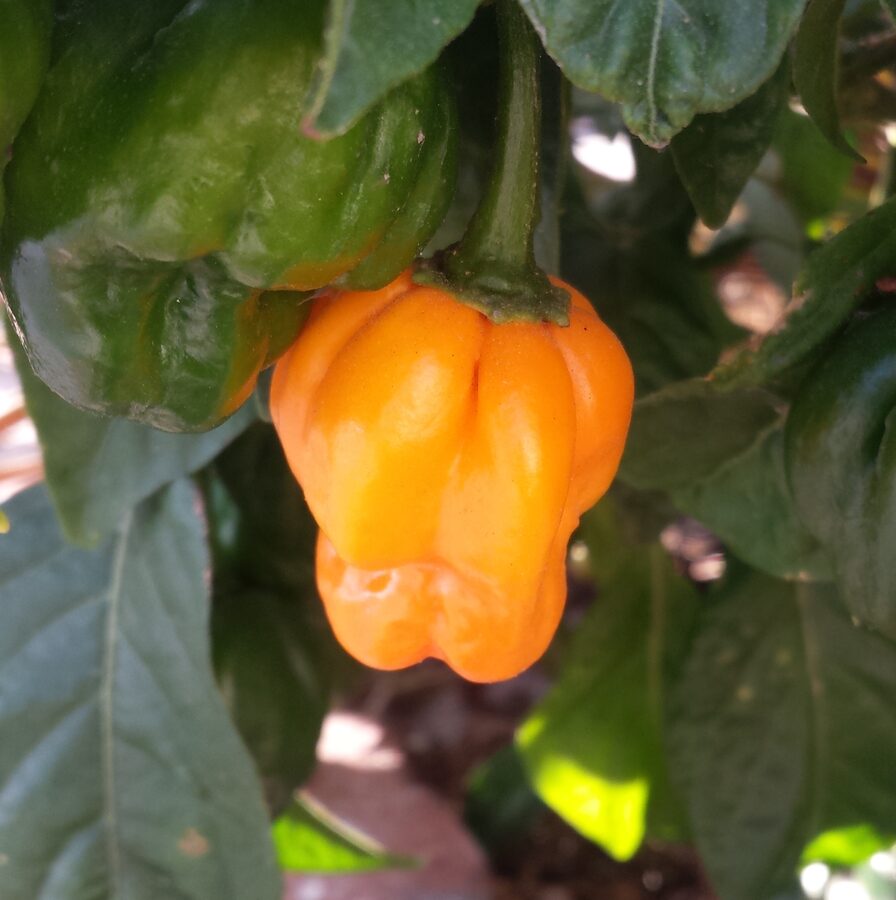
Scotch Bonnet Pepper
Island Heat

Scotch Bonnet

The fiery red, yellow or orange pepper that gives every Jamaican dish its kick. Fruity, floral and HOT — used whole to flavour without overpowering.

📜 Story & How We Eat It
History

Originally cultivated by the indigenous Taíno of the Caribbean, scotch bonnet has been growing wild and farmed in Jamaica for thousands of years. The shape resembles a Tam o' Shanter — a Scottish bonnet hat — which gave it the name. With around 100,000–350,000 Scoville units, it's one of the hottest peppers on earth, but with a unique fruity, floral flavour found nowhere else.

How Jamaicans Eat It

Used in nearly every Jamaican savoury dish — jerk seasoning, escovitch, brown stew, curry, oxtail, soups. The Jamaican secret is to add the pepper whole and uncut to the pot so it releases flavour without bursting. If it bursts, the dish becomes unbearably hot. Removed before serving.

All year
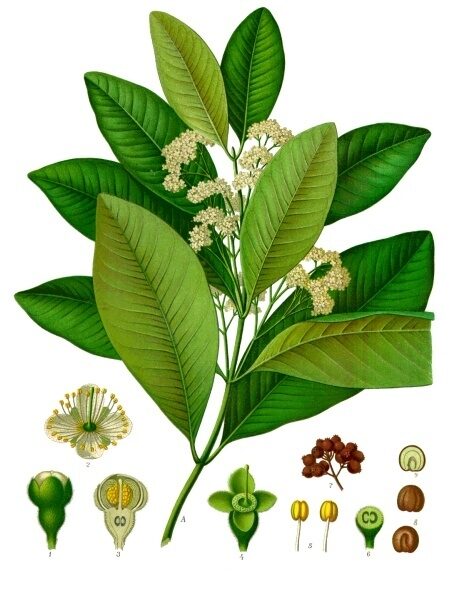
Pimento (Allspice)
Native Spice

Pimento (Allspice)

Native to Jamaica — the secret behind authentic jerk. Tastes like a blend of cinnamon, nutmeg and clove. Used whole as berries or ground.

📜 Story & How We Eat It
History

Pimento (allspice) is native to Jamaica — the only place on Earth where it grows commercially. Discovered by Christopher Columbus in 1494, who mistook it for black pepper and called it "pimienta" (Spanish for pepper). The English later named it "allspice" because the flavour resembles a mix of cinnamon, nutmeg and clove. It is the most quintessentially Jamaican spice in the world.

How Jamaicans Eat It

The defining ingredient in jerk seasoning — without pimento, jerk is not jerk. Whole berries are crushed into marinades. Pimento wood is also burned under jerk pits to smoke the meat with that signature flavour. Whole berries are added to oxtail, curry, brown stew and soups; ground allspice goes into Jamaican fruit cake, sweet potato pudding and gizzada.

All year
Now You Know

Time to Cook

You've met the ingredients. See how they come together in our authentic Jamaican recipes — free basics, full chef's recipes from £2.49.

Browse Recipes Back Home